Finding Reliable Auto Insurance Providers in Virginia: A Comprehensive Guide to Coverage and Rates
Reliable auto insurance providers in Virginia offer financial protection. We define reliable auto insurance as coverage that meets Virginia’s minimum requirements. This typically includes bodily injury liability and property damage liability.
- •Understanding Virginia’s Auto Insurance Requirements
- ◦Top Reliable Auto Insurance Providers in Virginia
- •Debunking Common Myths About Auto Insurance
- ◦A Closer Look at the Top Insurance Providers in Virginia
- ▪Erie Insurance: The Regional Powerhouse
- ▪USAA: Best for Military Families
- ▪Geico: The Low-Cost Leader
- ▪State Farm: The Largest Network
- ◦Understanding Virginia’s Unique Insurance Laws
- ▪The Uninsured Motorist Vehicle (UMV) Fee
- ▪Contributory Negligence
- ▪FR-44 vs. SR-22
- ◦How Your Virginia Zip Code Impacts Your Rates
- ◦Maximizing Discounts in the Old Dominion
- ◦Evaluating Financial Strength
- ◦Final Steps to Securing Coverage
When we think of reliable auto insurance providers in Virginia, we consider companies that offer comprehensive coverage, affordable rates, and excellent customer service. In this article, we’ll explore the best options for Virginians, debunk common myths, and provide valuable insights to help you make an informed decision. Our goal is to empower you with the knowledge to choose a reliable auto insurance provider that suits your needs and budget.
Understanding Virginia’s Auto Insurance Requirements
As we delve into the world of auto insurance, it’s essential to understand Virginia’s minimum requirements. The state mandates that drivers carry liability insurance, which covers bodily injury and property damage. The minimum limits are $25,000 for bodily injury per person, $50,000 for bodily injury per accident, and $20,000 for property damage. We recommend considering additional coverage, such as collision and comprehensive insurance, to ensure you’re fully protected in the event of an accident.
When we analyze cases like this, we often encounter drivers who are unsure about the differences between various types of coverage. For instance, collision insurance covers damages to your vehicle, regardless of who’s at fault, while comprehensive insurance covers damages caused by events other than accidents, such as theft or natural disasters. It’s crucial to understand these distinctions to make informed decisions about your auto insurance policy.
Top Reliable Auto Insurance Providers in Virginia
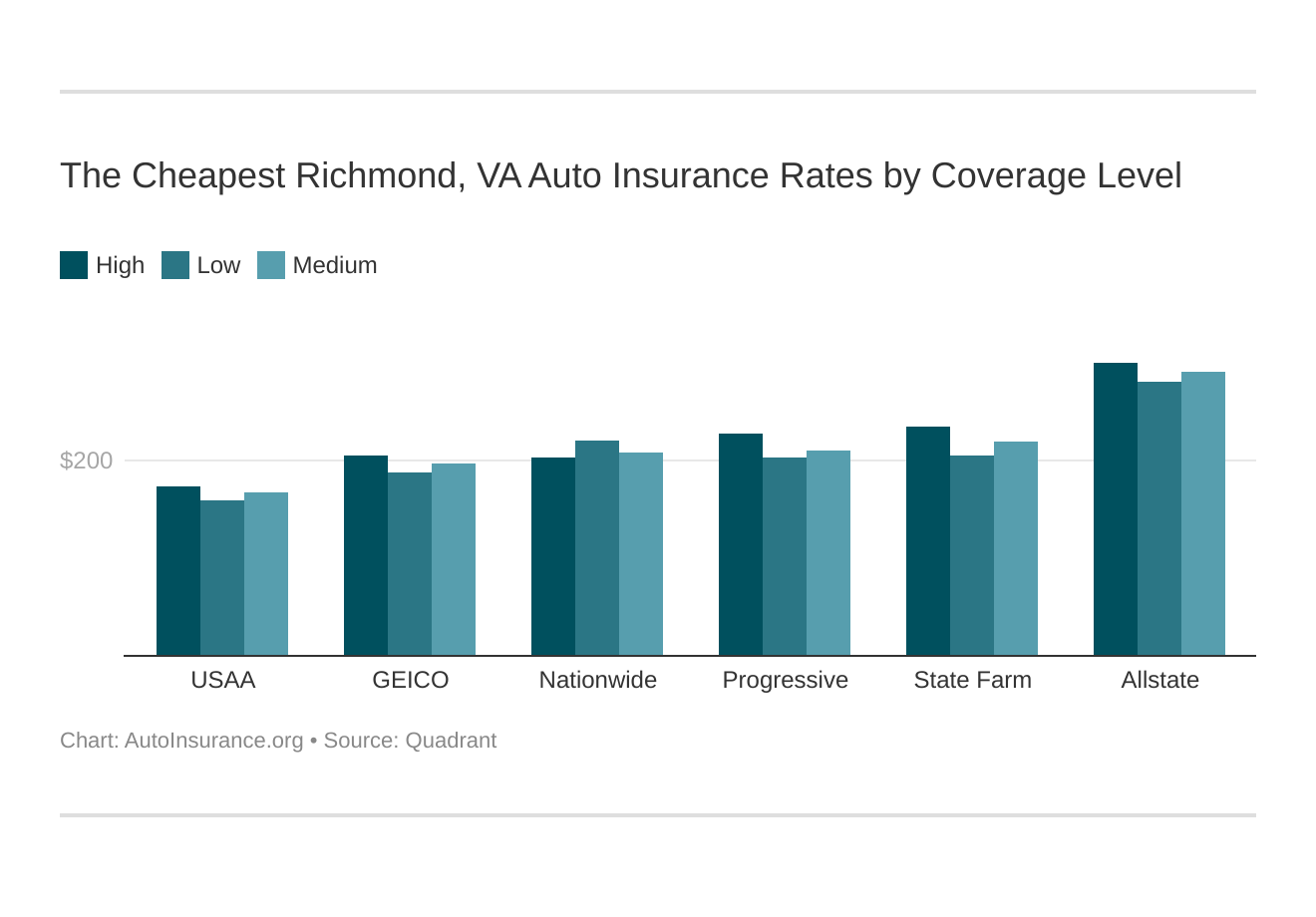
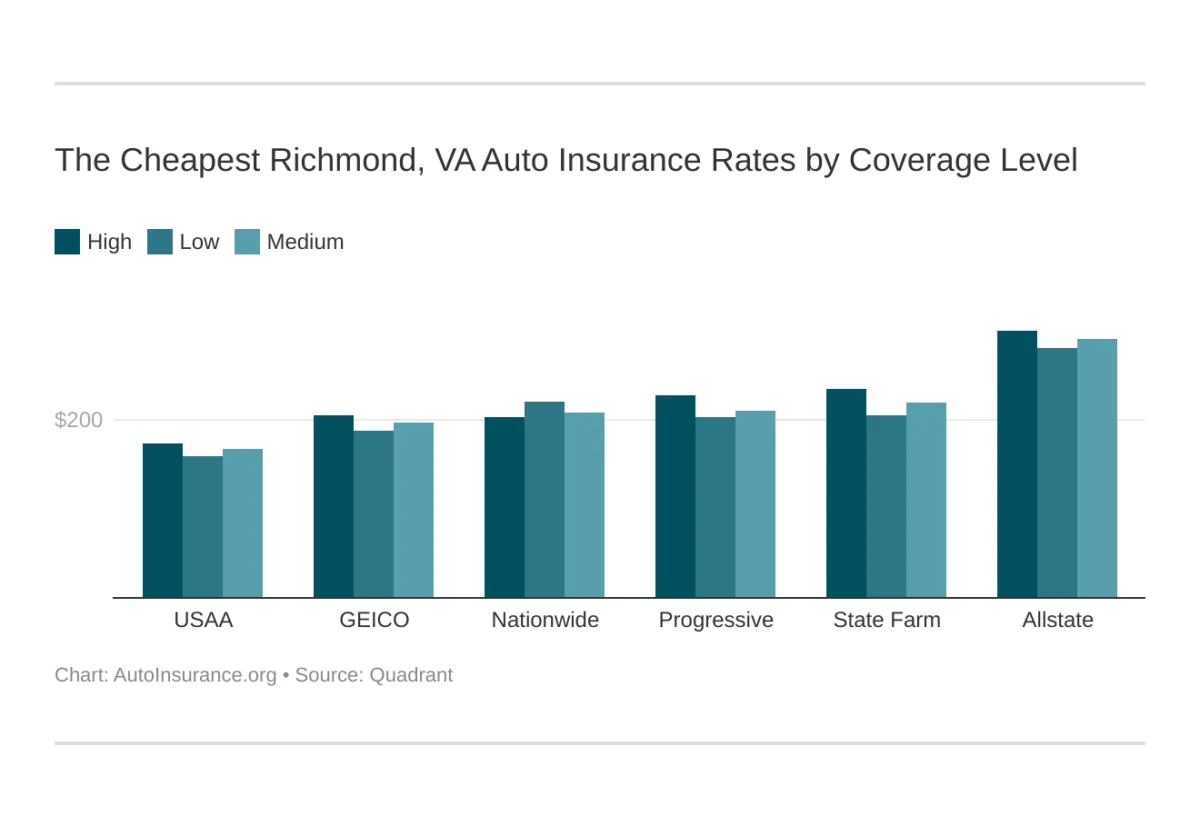
Based on our observations, some of the top reliable auto insurance providers in Virginia include Geico, State Farm, and Allstate. These companies offer competitive rates, excellent customer service, and a range of coverage options. We’ve compiled a table to help you compare these providers and make a more informed decision.
| Provider | Minimum Annual Premium | Maximum Annual Premium |
|---|---|---|
| Geico | $1,300 | $2,500 |
| State Farm | $1,500 | $3,000 |
| Allstate | $1,800 | $3,500 |
As we explore the world of auto insurance, we often come across misconceptions about the cost of coverage. One common myth is that reliable auto insurance providers in Virginia are always expensive. However, this isn’t necessarily true. By shopping around, comparing rates, and considering factors like your driving history and vehicle type, you can find affordable coverage that meets your needs.
For more information on how to provide auto insurance company reviews, you can visit our guide at How to Provide Auto Insurance Company Reviews. This resource will help you make informed decisions when evaluating auto insurance providers.
Debunking Common Myths About Auto Insurance
An overlooked detail our team often encounters is the misconception that auto insurance providers in Virginia are all the same. However, this couldn’t be further from the truth. Different providers offer varying levels of coverage, rates, and customer service. It’s essential to do your research and compare providers to find the best fit for your needs.
When we analyze the market, we notice that some providers offer specialized coverage options, such as rideshare insurance or classic car insurance. These options can be beneficial for drivers with unique needs. Some providers offer discounts for good grades, military service, or low mileage. By taking advantage of these discounts, you can save money on your premiums.
As we explore the world of auto insurance, we often come across questions about the best providers in other states. If you’re looking for information on the best auto insurance providers in New Jersey, you can visit our guide at Best Auto Insurance Providers in NJ for Drivers. This resource will provide you with valuable insights and help you make informed decisions about your auto insurance.
Finding reliable auto insurance providers in Virginia requires research and comparison. By understanding the state’s minimum requirements, considering additional coverage options, and evaluating top providers, you can make an informed decision that suits your needs and budget. For more information on reliable auto insurance, you can visit reliable auto insurance or reliable auto insurance to get the best rates and coverage.
META_TITLE: Reliable Auto Insurance Providers in Virginia
ARTICLE_TITLE: Finding the Best Reliable Auto Insurance Providers in Virginia: A Comprehensive Guide
META_DESC: Discover the top reliable auto insurance providers in Virginia, including Geico, State Farm, and Allstate, and learn how to make informed decisions about your coverage.
CATEGORY: Auto Insurance
TAGS: reliable auto insurance, Virginia auto insurance, car insurance providers, auto insurance rates, insurance coverage
A Closer Look at the Top Insurance Providers in Virginia
While big-name national brands dominate the airwaves, Virginia’s insurance market is diverse, offering a mix of massive corporations and strong regional players. To find the most reliable provider, it is essential to look beyond the monthly premium and evaluate claim satisfaction, financial stability, and local accessibility.
Erie Insurance: The Regional Powerhouse
Erie Insurance consistently ranks at the top of JD Power’s claims satisfaction studies for the Mid-Atlantic region. Unlike some of its larger competitors, Erie operates through a network of independent agents who provide a personalized touch. This is particularly beneficial for Virginia residents who prefer having a local point of contact in cities like Richmond or Lynchburg. Erie is known for its “Rate Lock” feature, which keeps your premium the same year after year unless you add a vehicle, change drivers, or change your primary residence—even if you file a claim.
USAA: Best for Military Families
With one of the highest concentrations of military personnel in the country, particularly in the Hampton Roads and Northern Virginia areas, USAA is a staple for many Virginians. USAA consistently receives the highest marks for customer service and claims handling. Their rates are often the most competitive in the state for active-duty members, veterans, and their immediate families. If you qualify for USAA, it is frequently the gold standard for reliability and value.
Geico: The Low-Cost Leader
Headquartered nearby in Chevy Chase, Maryland, Geico has a massive presence in Virginia. They are often the most affordable option for drivers with clean records. Geico’s mobile app is highly rated, making it a favorite for tech-savvy drivers in the Northern Virginia (NoVA) tech corridor. However, while their rates are low, some users find that their premiums increase significantly after a single at-fault accident compared to regional carriers.
State Farm: The Largest Network
State Farm is the largest auto insurer in Virginia, and for good reason. They offer a robust balance of competitive pricing and a massive network of local agents. For drivers in more rural parts of the state, such as the Shenandoah Valley or Southwest Virginia, having a local State Farm agent who understands the specific risks of the area—such as high deer-collision rates—can be invaluable.
Understanding Virginia’s Unique Insurance Laws
Virginia operates under a “tort” system, meaning the driver found at fault for an accident is responsible for the damages. However, Virginia has some unique legal quirks that every resident should understand before selecting a policy.
The Uninsured Motorist Vehicle (UMV) Fee
Historically, Virginia was one of the only states where you could legally drive without insurance if you paid a $500 Uninsured Motorist Vehicle fee to the DMV. It is crucial to understand that this fee was not insurance; it provided zero coverage. However, Virginia’s laws are changing. As of July 1, 2024, the option to pay this fee is being phased out, and all drivers will be required to carry liability insurance. This shift is expected to decrease the number of uninsured motorists on the road, which may eventually lead to lower uninsured motorist coverage premiums for everyone.
Contributory Negligence
Virginia is one of the few remaining jurisdictions that follows the “pure contributory negligence” rule. This means that if you are even 1% at fault for an accident, you may be legally barred from recovering any damages from the other driver. This harsh legal standard makes having comprehensive collision coverage and high-quality legal representation through your insurer even more critical.
FR-44 vs. SR-22
In many states, high-risk drivers are required to file an SR-22. Virginia uses the SR-22 for certain violations, but it also uses a much more stringent filing called an FR-44 for serious offenses like DUIs or driving on a suspended license. The FR-44 requires you to carry liability limits that are double the state’s minimums. When searching for a reliable provider, high-risk drivers must ensure the company is willing to file these forms with the Virginia DMV.
How Your Virginia Zip Code Impacts Your Rates
Where you park your car at night in the Old Dominion significantly affects your insurance costs.
- Northern Virginia (Fairfax, Arlington, Alexandria): Drivers here typically face the highest rates in the state. High traffic density, expensive vehicle repair costs, and a higher frequency of accidents contribute to these premiums.
- Richmond and Tidewater: These urban centers see moderate to high rates due to theft risks and congested commuting corridors like I-64 and I-95.
- Southwest Virginia and the Blue Ridge: Residents in areas like Roanoke, Blacksburg, or Abingdon often enjoy some of the lowest insurance rates in the state. Lower population density and fewer multi-car pileups make these areas less risky for insurers.
Maximizing Discounts in the Old Dominion
To get the best value from a reliable provider, you should take advantage of every available discount. In Virginia, several specific opportunities exist:
- Defensive Driving Courses: Many Virginia insurers offer a discount if you complete an approved accident prevention course. This is particularly effective for drivers over the age of 55.
- Student Discounts: Virginia is home to many major universities (UVA, Virginia Tech, VCU, JMU). Most insurers offer “Good Student” discounts for drivers under 25 who maintain a 3.0 GPA or higher.
- Multi-Policy Bundling: Combining your auto insurance with homeowners or renters insurance is the most effective way to slash 10% to 25% off your total bill.
- Telematics Programs: Programs like State Farm’s “Drive Safe & Save” or Progressive’s “Snapshot” track your driving habits via a smartphone app. If you are a safe driver who avoids hard braking and late-night driving, you can see significant reductions.
Evaluating Financial Strength
A reliable insurer is one that can pay out claims even during a major catastrophe, such as the hurricanes or severe flooding that occasionally strike Virginia’s coastal and inland regions. Before signing a policy, check the insurer’s financial strength rating through independent agencies like A.M. Best or Moody’s. A rating of “A” or higher indicates that the company has the financial reserves to handle large volumes of claims without delay.
Final Steps to Securing Coverage
Finding the right auto insurance in Virginia is about balancing the state’s legal requirements with your personal financial protection. While the minimum limits of 30/60/20 (increasing to 50/100/25 in 2025) are enough to get you on the road, they are rarely enough to protect your assets in a serious crash.
To ensure you are truly covered, aim for liability limits of at least 100/300/100. Once you have determined your needed coverage levels, gather quotes from at least three different types of companies: a national giant (like Geico), a regional specialist (like Erie), and a member-based organization (like USAA or AAA). By comparing these side-by-side, you can find a policy that offers the reliability you need at a price that fits the Virginia lifestyle. Always review your policy annually, as the insurance landscape in Virginia continues to evolve with new legislation and shifting market trends.